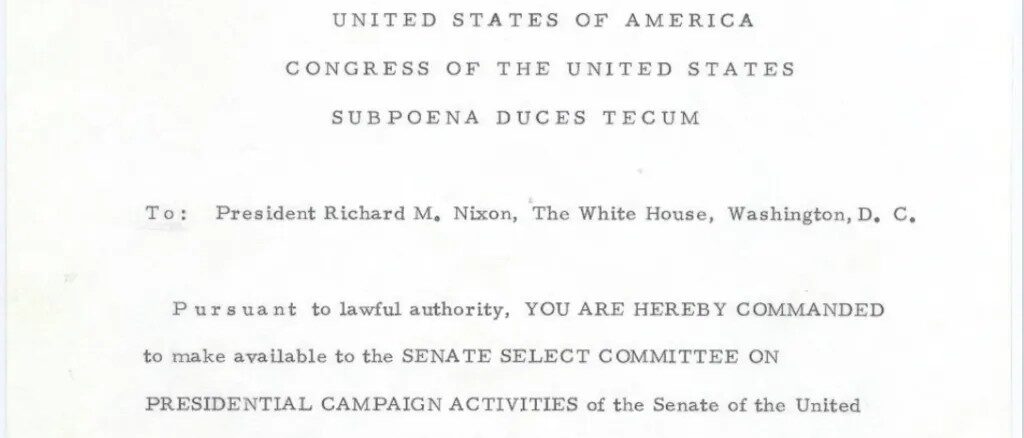
When someone ignores a congressional subpoena, the House or Senate can vote to hold that person in criminal contempt. In order to enforce the subpoena, however, congress must refer the case to the executive branch where the Department of Justice decides whether or not a criminal prosecution for contempt is warranted.
When the person ignoring the subpoena is a member of the executive branch itself – as is often the case – this sets up a conflict of interest. Since this procedure also, in effect, allows the executive branch a veto power over who congress may compel to testify in a congressional investigation, it also creates a serious separation-of-powers issue.
The judicial branch has resolved this conflict through Rule 42 of the Federal Rules of Criminal Procedure which authorizes a court to appoint a private attorney to conduct a criminal contempt of court prosecution in the event that the executive branch declines to do so.
Should Congress pass a law creating a similar authority for Congress to conduct its own criminal contempt of congress prosecutions?